What Is the Difference Between Fiber Cement Board and MgO Board?
By the Jiafeng technical team · Published · Updated
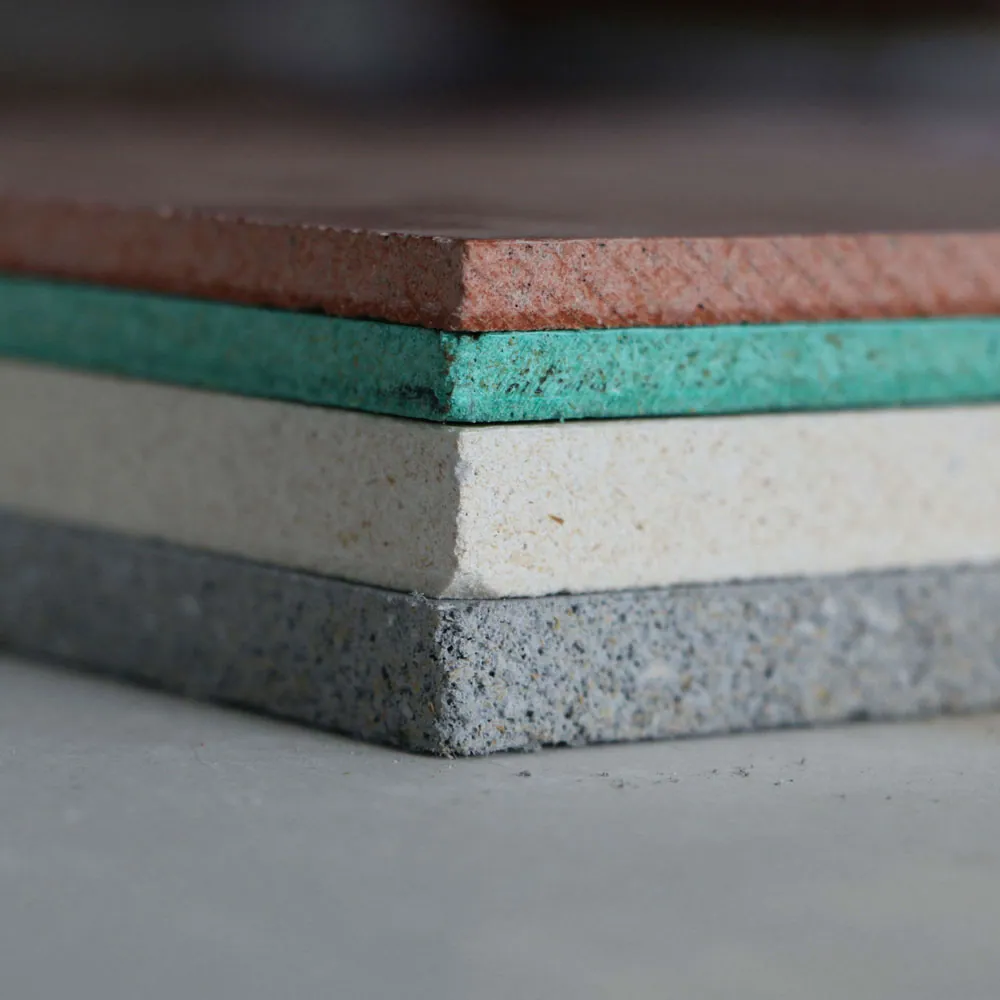
Fiber cement board is made of Portland cement, sand and cellulose fibres; MgO board is made of magnesium oxide bound with magnesium sulfate or magnesium chloride. MgO board is lighter, non-combustible and more water resistant; fiber cement is cheaper up front and very impact resistant. Chloride-free (MgSO4) MgO board avoids the corrosion risk of chloride boards.
Fiber cement board and magnesium oxide (MgO) board are both durable, versatile building boards. Knowing how they differ helps you choose the right one for each part of a project.
Composition and manufacturing
Fiber cement board is made of cement, cellulose fibres, sand and water, formed into sheets, pressed and usually autoclaved.
MgO board is made of magnesium oxide mixed with a magnesium salt solution, plus fillers such as perlite or wood fibre, reinforced with glass-fibre mesh, then moulded and cured. The salt matters: magnesium chloride (MgCl2) boards can absorb moisture from the air and release chloride that corrodes steel, while magnesium sulfate (MgSO4) boards — like all Jiafeng boards — avoid that risk.
Side-by-side comparison
| Fiber cement board | MgO board | |
|---|---|---|
| Main ingredients | Portland cement, sand, cellulose fibre | Magnesium oxide, magnesium sulfate or chloride, fillers, glass-fibre mesh |
| Fire | Non-combustible | Non-combustible (A1), very good in fire-rated assemblies |
| Water | Good; needs sealing in wet areas | Very good; waterproofed grades for exterior use |
| Impact | Very high | High |
| Weight | Heavier | Lighter |
| Workability | Needs fibre-cement shears or dust-extracted saws | Scores and cuts with ordinary woodworking tools |
| Typical uses | Siding, roofing, wall cladding | Fire-rated walls, subfloors, sheathing, backer boards, decorative substrates |
| Up-front cost | Lower | Higher; often lower over the building's life |
Applications
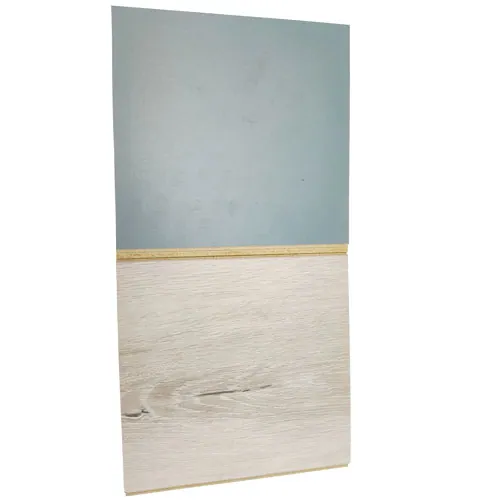
Fiber cement board is common for exterior siding, roofing and interior wall cladding. MgO board covers similar ground but stands out in fire-rated assemblies, subfloors, structural sheathing and decorative laminated panels.
Environmental impact
MgO board is generally considered the more eco-friendly option: it is made from natural minerals, produces little manufacturing waste, can be recycled and helps energy efficiency. Fiber cement has a higher carbon footprint because of its cement content and energy-intensive curing.
Cost
Fiber cement board is usually cheaper to buy. MgO board can save money over time through durability and low maintenance. Include installation labour and service life when comparing.
Conclusion
Fiber cement is durable and widely used; MgO board offers better fire and water resistance and environmental benefits. Choose by the requirements of each part of the building, your sustainability goals and long-term maintenance costs — both materials have their place.
Questions and answers
Which is more fire resistant, MgO board or fiber cement board?
Both are non-combustible, but MgO board is the usual choice for fire-rated walls, ceilings and door cores; Jiafeng MgO board is rated A1.
Is MgO board waterproof?
Standard MgO board is moisture resistant; waterproofed grades reach under 10% water absorption and can be used as exterior backer board when covered or coated.
Is MgO board more expensive than fiber cement?
Usually yes per sheet, but its durability and low maintenance can make it cheaper over the life of the building.